

The Power of the Mosquito: Why Small Acts Still Matter
“If you think you are too small to make a difference, you haven’t spent the night with a mosquito.”
At first glance, this proverb makes us smile. Anyone who has endured a sleepless night because of a single, whining mosquito understands the humor immediately. Such a tiny creature—so light it can barely be felt—can disrupt rest, patience, and peace for hours. But like many African proverbs, the wisdom runs far deeper than the wit.
This saying challenges one of the most common excuses we use to stay on the sidelines: I’m just one person. It confronts the quiet belief that impact belongs only to the powerful, the wealthy, or the widely visible. The mosquito, seemingly insignificant, reminds us that size has nothing to do with influence.
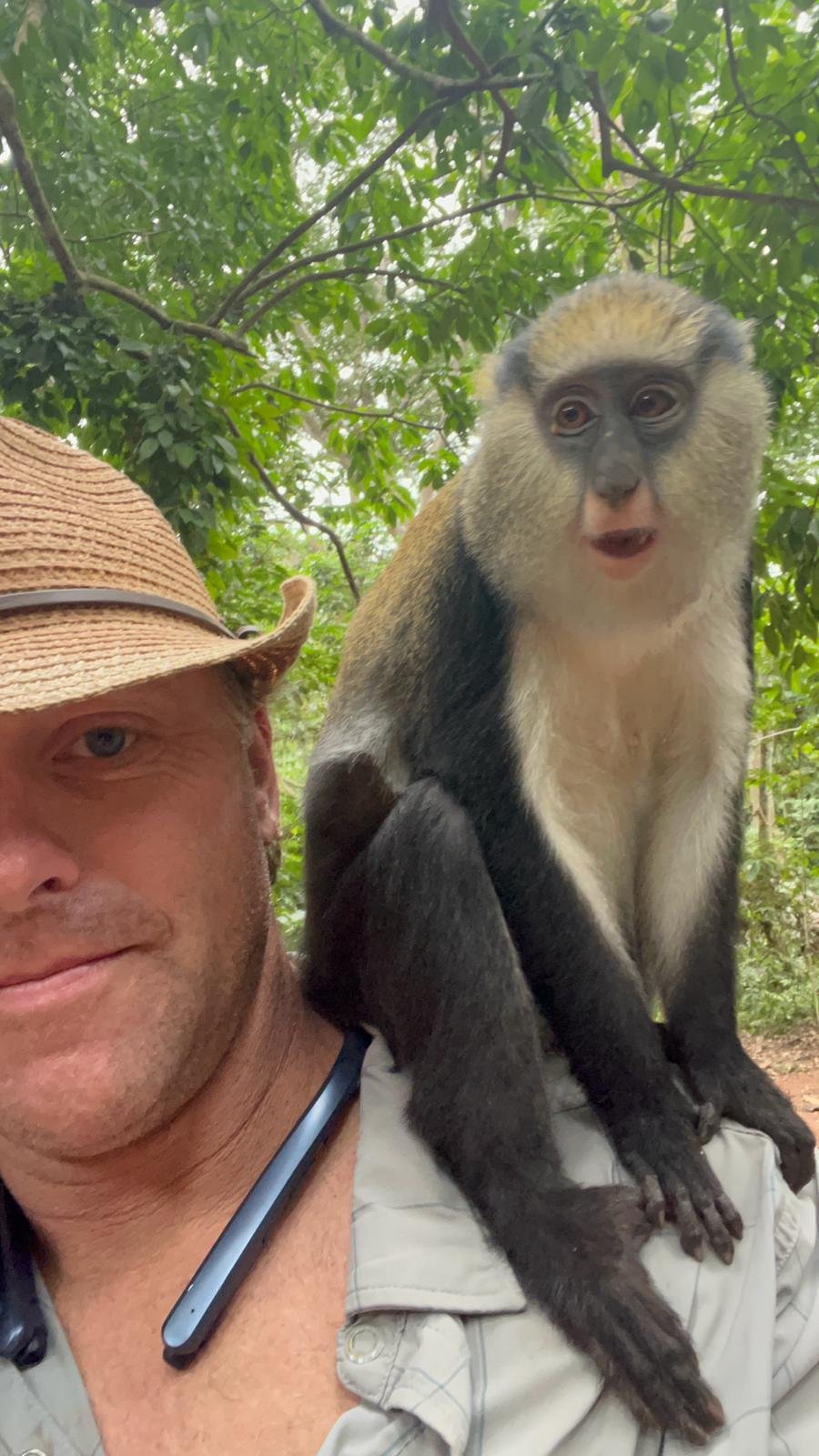
Small Does Not Mean Powerless
In many African storytelling traditions, wisdom is passed through everyday images: animals, weather, farming tools, and shared community life. These proverbs do not glorify dominance or scale; instead, they elevate agency, persistence, and relationship. The mosquito is not strong. It does not rule the jungle. Yet it makes itself known.
The proverb invites us to reconsider what “making a difference” actually looks like. Too often, we equate impact with grand gestures—huge donations, viral campaigns, dramatic change. When we don’t see ourselves capable of those things, we shrink our sense of worth. But real transformation, especially in communities, rarely begins on a big scale. It begins steadily.
A mosquito does not stop because it is small. It persists. It shows up. And in doing so, it changes the night.
The Myth of Insignificance
In social change work, faith communities, and nonprofit leadership, people often underestimate their value. “I don’t have enough money.” “I don’t have the right degree.” “Someone else is already doing that work.” These thoughts can paralyze action before it begins.
Yet history tells a different story. Movements are catalyzed by ordinary people doing small, faithful things—showing up to listen, refusing to stay silent, offering what they have instead of what they lack. One mosquito rarely acts alone, but even one can alter behavior. Imagine what happens when many small actors move with shared purpose.
This proverb reminds us that change does not require permission from power. It only requires presence.
Dignity Begins in the Small
The beauty of this saying is how closely it aligns with a dignity-centered worldview. Dignity does not wait for scale. It lives in daily choices: how we speak to one another, how we design programs, and how we invite participation rather than dependency. Honoring dignity often looks unimpressive from the outside—but it is deeply disruptive to systems built on scarcity and control.
In African communities, where collective well-being has traditionally mattered more than individual acclaim, small acts accumulate meaning. Teaching a child. Sharing a meal. Speaking truth in a meeting. These actions may not trend online, but they reshape lives.
The mosquito teaches us that influence is not about volume but about proximity.
Courage to Be Consistent
Another layer of wisdom in this proverb is persistence. A mosquito doesn’t make one appearance and disappear. It returns—again and again. Consistency, not intensity, is what gives it power.
For those engaged in long-term justice, development, or faith work, this is both a challenge and an encouragement. You do not have to fix everything. You simply have to stay engaged. The world is not changed by one heroic moment, but by countless small acts done with courage over time.
The question is not, “Can I make a difference?”
The better question is, “Am I willing to keep showing up?”
What Will You Disturb?
Perhaps the most uncomfortable truth in this proverb is that making a difference often means being inconvenient. Mosquitoes disturb sleep. They interrupt comfort. They refuse to be ignored.
Positive change does the same.
Standing up for dignity may unsettle systems that benefit from silence. Choosing compassion may slow down efficiency. Naming injustice may make others uncomfortable. But discomfort is often the first sign that something is shifting.
So maybe the goal is not to be impressive—but to be effective.
A Night with the Mosquito
The next time you feel too small to matter, remember the mosquito. Remember the sleepless night. Remember how something tiny can demand attention, provoke action, and refuse invisibility.
Change does not always roar.
Sometimes, it hums softly in the dark—
and refuses to let the world sleep through injustice.
What small act will you choose today?
Written by Dr. Kathy Sullivan, CEO & President of Operation Dignity International