

Dream Boldly: Why Dignity Always Begins With a Dream
Nothing that truly honors human dignity begins with a plan.
It begins with a dream.
Before there are strategies, budgets, timelines, or measurable outcomes, there is first a quiet imagining of what could be. A hope that dares to ask, What if things didn’t have to stay this way? Every community transformed, every injustice challenged, every life restored has started not with certainty—but with courage.
Dreaming boldly is not naïve optimism.
It is a moral act.
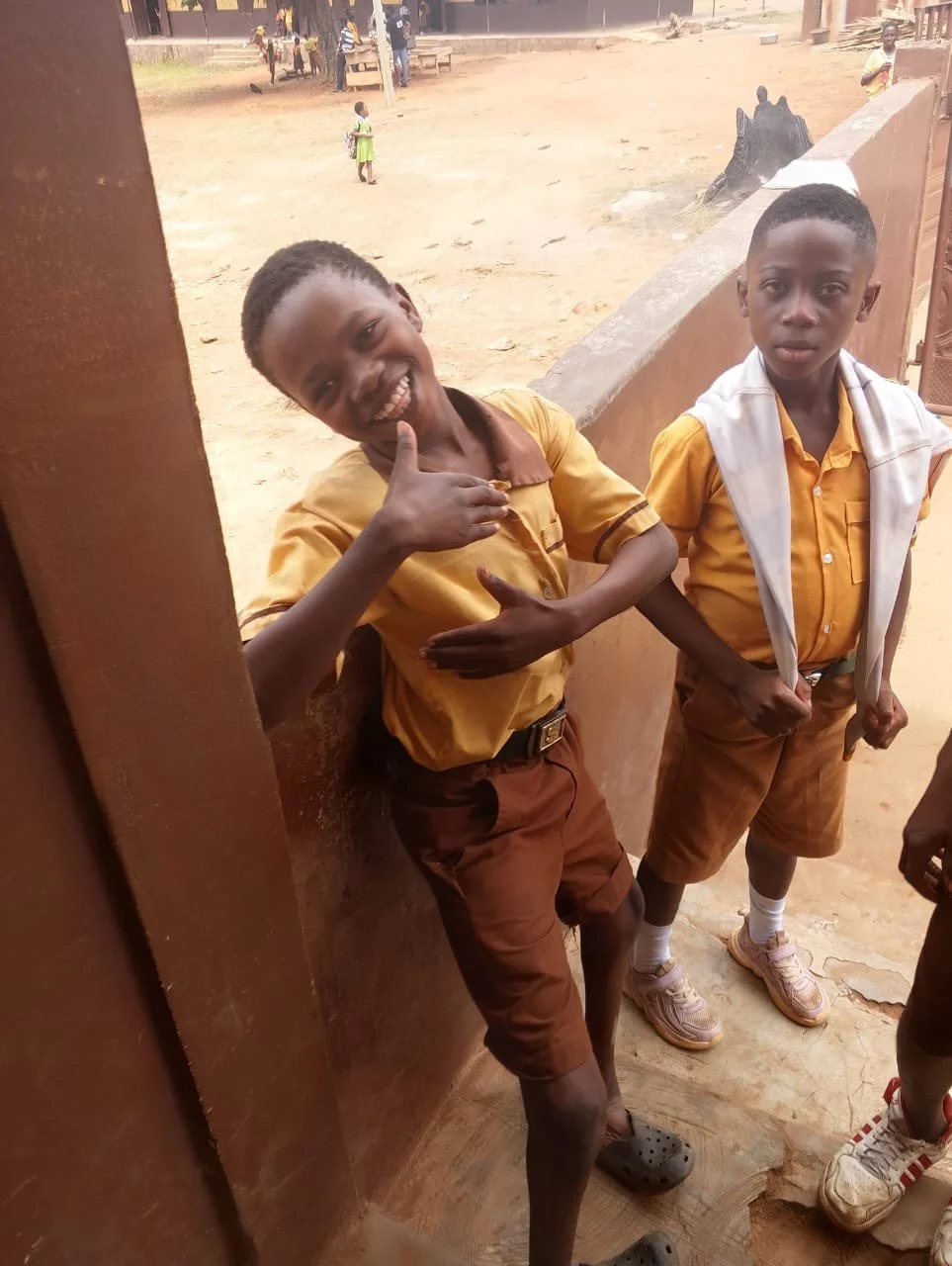
That’s how we see our intervention into a village. We are giving them the option to dream, to dare, to hope, to see beyond what they have for today.
Dreaming Is an Act of Dignity
To dream boldly—for yourself or for others—is a declaration of worth.
When we dream at ODI, we insist that people deserve more than survival. We resist the lie that suffering is inevitable or that injustice is simply “how the world works.” In places where poverty, exclusion, or oppression have lingered long enough to feel normal, dreaming becomes an act of resistance. It says, This is not acceptable. This is not final.
When we enter the villages, it’s clear to see what happens when dreams are taken away. Not all at once—but little by little. When people are told to be realistic. When they are taught not to hope too much. When expectations are lowered so often that they eventually disappear.
Without dreams, something sacred erodes—not intelligence or resilience, but imagination. And without imagination, dignity slowly suffocates.
Dreaming boldly restores breath. It reminds us that every person is worthy of a future filled with agency, hope, and possibility.
Why Small Visions Aren’t Enough
There is a kind of vision that feels safe. Practical. Reasonable.
It aims to make suffering more bearable instead of asking why it exists in the first place. It treats injustice as something to be managed rather than challenged.
Those visions may help—and sometimes they are necessary—but they are not enough.
Small visions keep injustice comfortable. Bold visions disrupt it.
When we stop short of imagining real transformation, we unintentionally send a harmful message: that some lives are meant to be endured instead of fully lived. Dignity calls us beyond that. It calls us to imagine not just relief, but restoration. Not just aid, but agency. Not just services, but voice.
Dreaming boldly does not ignore complexity. It refuses to let complexity become an excuse for complacency.
The Fear That Shrinks Our Dreams
Dreaming boldly is frightening.
Fear shows up quietly and convincingly. Fear of failing. Fear of expecting too much. Fear of being labeled unrealistic. Fear of challenging systems that benefit from staying exactly the same.
Fear tells us to keep dreams small enough to be safe.
But fear is not a moral compass.
Courage doesn’t mean the absence of fear—it means choosing dignity anyway. It means refusing to let comfort or caution determine what justice requires. Because when fear wins, injustice stays put.
Dreams that honor dignity always require risk.
Listening Before Dreaming
Here is a hard truth I’ve learned along the way: dreaming boldly does not mean dreaming for others.
Too often, well-intentioned people impose their own visions of a “better future” without ever listening to the people who are supposed to live it. When that happens, dignity is compromised—even when the help looks generous.
When I take teams to Ghana, the very first thing we teach is to listen more than we talk. To hear their story instead of telling ours. That’s quite difficult for our American-oriented minds and mindset.
True, dignity-centered dreaming begins with listening.
When we sincerely ask, Tell me about your life, what would you change, what would you improve? We return something powerful agency. We acknowledge that people are not problems to solve or projects to manage. They are authors of their own hopes.
Listening requires humility. It means releasing assumptions. It means letting go of savior narratives. But when we listen well, dreams become shared—and dignity grows deeper.
Dreaming Is a Responsibility
There is a cost to not dreaming boldly.
When we accept injustice as inevitable, we help sustain it. When we stop imagining better systems and fairer structures, we quietly agree that some suffering is simply the price of doing business.
Dignity demands more.
If we can imagine a world where human worth is honored—where people are not reduced to numbers, labels, or limitations, then we are responsible for pursuing it. Dreams alone are not enough, but without them, action loses direction.
Bold dreams act as a compass. They shape what we refuse to tolerate, what we are willing to risk, and what kind of future we are committed to building.
An Invitation to Dream Again
Before you scroll on, pause for a moment.
What injustice have you quietly accepted as immovable?
Whose dignity is asking you to dream bigger?
What hope have you been holding back because it felt too risky?
Every meaningful change starts the same way—with someone willing to imagine something different.
The future of dignity depends on it.
Will you dream boldly with us at ODI for the villages we serve in Ghana?
Does dreaming boldly for others have the power or potential to radically change your life?
Call me, Kathy, and let’s chat. 612-242-5981
Written by Dr. Kathy Sullivan, CEO & President of Operation Dignity International