

Scarcity in the Villages of Ghana: More Than Empty Hands
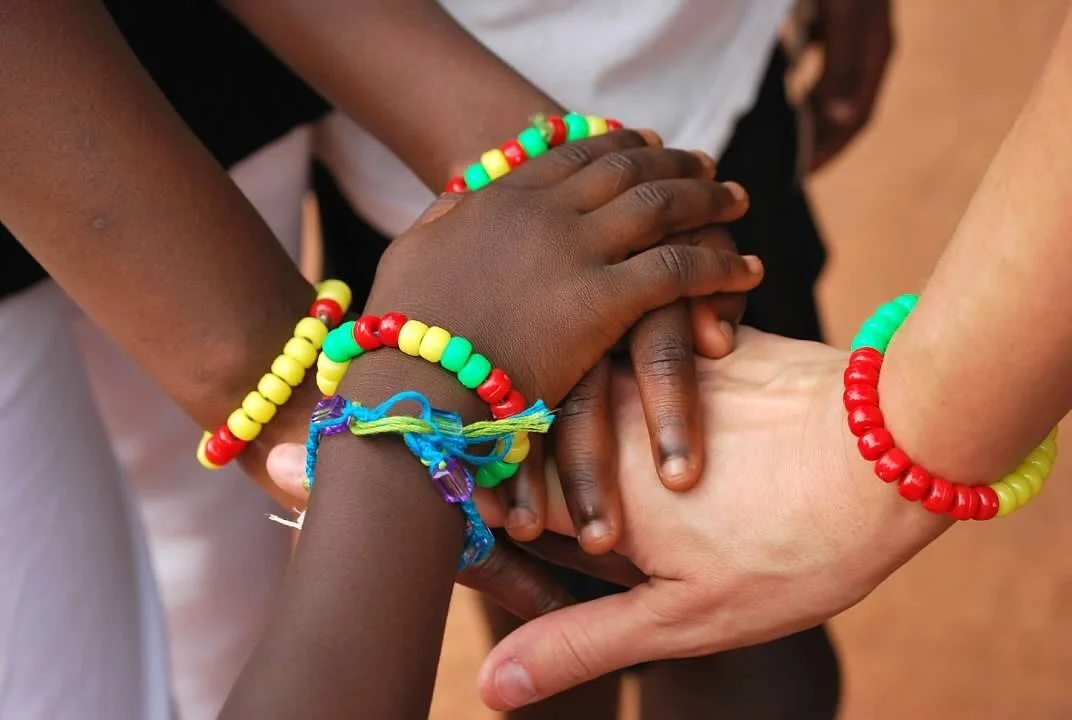
Scarcity in rural Ghana is not merely the absence of things. It is the absence of predictability, choice, and breathing room. In many villages across Ghana's central Bono East Region (where we serve), scarcity shapes daily life with a quiet force—one that influences behavior, relationships, and even how people imagine their future.
To understand poverty in these communities, we must look beyond what is lacking materially and examine what scarcity produces—both in visible outcomes and in the mindset it fosters.
The Daily Reality of Scarcity
In many villages, scarcity shows up first in the basics: limited access to clean water, seasonal food insecurity, inadequate housing, and unstable income. Farming families depend heavily on rainfall, and when the rain is late or insufficient, hunger follows. A poor harvest does not mean inconvenience; it means skipping meals, selling off livestock, or removing a child from school to help find work.
Healthcare is similarly affected. Clinics are often far away, under-resourced, or unaffordable. A treatable illness can become life-threatening simply because transportation costs more than a family earns in a week. Education suffers as well. Even where schooling is technically “free,” families struggle to pay for uniforms, supplies, or examination fees, making consistent attendance difficult.
Scarcity, in this context, is relentless. It is not a temporary setback; it is a condition that resets every day.
What Scarcity Produces
-
One of the most significant results of chronic scarcity is the dominance of short-term decision-making. When resources are scarce, people must prioritize immediate survival over long-term planning. Saving money, investing in tools, or pursuing extended education feels risky when tomorrow’s meal is uncertain.
This can appear, from the outside, as a lack of planning or ambition. In reality, it is a rational response to instability. Scarcity forces people to ask not, “What will help me thrive later?” but “What will keep us alive today?”
-
Scarcity quietly erodes human potential. Children who are hungry struggle to concentrate in school. Talented young people abandon education to work menial jobs. Farmers with ingenuity cannot adopt improved techniques because they lack tools, seed capital, or training.
Over time, the community loses not intelligence or creativity—but opportunity. The cost of scarcity is not only what is missing today, but what will never be developed tomorrow.
-
When people live one crisis away from disaster, they become vulnerable—economically, intellectually, and socially. Predatory lending, unfair labor arrangements, and exploitative migration promises flourish in environments where people feel they have no alternatives. Scarcity weakens bargaining power and makes dignity fragile.
-
Perhaps the most lasting impact of poverty is not external but internal: the mindset that scarcity cultivates.
-
Scarcity narrows focus. When life is consumed by immediate needs, imagining a different future becomes difficult. Dreams begin to feel unrealistic, even irresponsible. Hope becomes restrained—not because people do not want better, but because hoping too much can be painful.
-
With no margin for error, taking risks feels dangerous. Trying new crops, new business ideas, new ways of organizing—can feel like gambling with survival. As a result, scarcity can reinforce cycles of stagnation, even when people recognize that current systems are not working.
-
Over time, repeated scarcity can lead to resignation. When efforts consistently yield limited results, people may believe that hardship is inevitable or ordained. This is not a lack of faith or strength—it is a natural response to prolonged deprivation.
Yet even here, dignity remains. Community bonds often deepen under scarcity. Families share what little they have. Villages organize collectively for funerals, festivals, and emergencies. Generosity persists, even when resources do not.
Why Addressing Scarcity Requires More Than Aid
Scarcity cannot be solved by handouts alone. While emergency assistance is sometimes essential, lasting change requires restoring agency, stability, and choice. When people have access to reliable income, education, healthcare, and tools, their mindset shifts naturally. Long-term thinking becomes possible. Hope re-expands.
Development that honors dignity understands this: people do not need to be rescued—they need the conditions that allow them to thrive.
A Final Reflection
Scarcity in Ghana’s villages is not about a lack of worth, effort, or intelligence. It is about systems—and histories—that have constrained opportunity for generations. When scarcity is addressed holistically (or 360 Communities with ODI), something powerful happens: hands open, eyes lift, and futures widen.
Ending poverty is not just about providing resources. It is about removing the weight that keeps human potential from being expressed.
Scarcity does not have to be destiny. The focus of Operation Dignity International is to break down the barriers and fill the gaps that prevent individuals and communities from moving beyond survival. When people are given tools, training, and trustworthy partnerships, scarcity gives way to resilience, and resilience opens the door to lasting dignity. Every dollar counts. Your support brings hope, essential resources, and sustainable solutions to children, families, and villages across Ghana. Get involved today!